
Navigating the Challenges
Sourcing from China has become increasingly challenging since 2022. Whether you’re new to sourcing or have been doing it for a while, the recent COVID-related lockdowns in Shanghai and across China might have left you questioning: “Is China still the right place to source products to sell on Amazon?”
By the end of this article, you will have a clear understanding of:
- Whether China remains a viable sourcing option in 2022
- Where to find suppliers beyond Alibaba
- The 5 essential steps to find a trustworthy supplier
Part 1: Is China Still a Good Sourcing Destination in 2022?
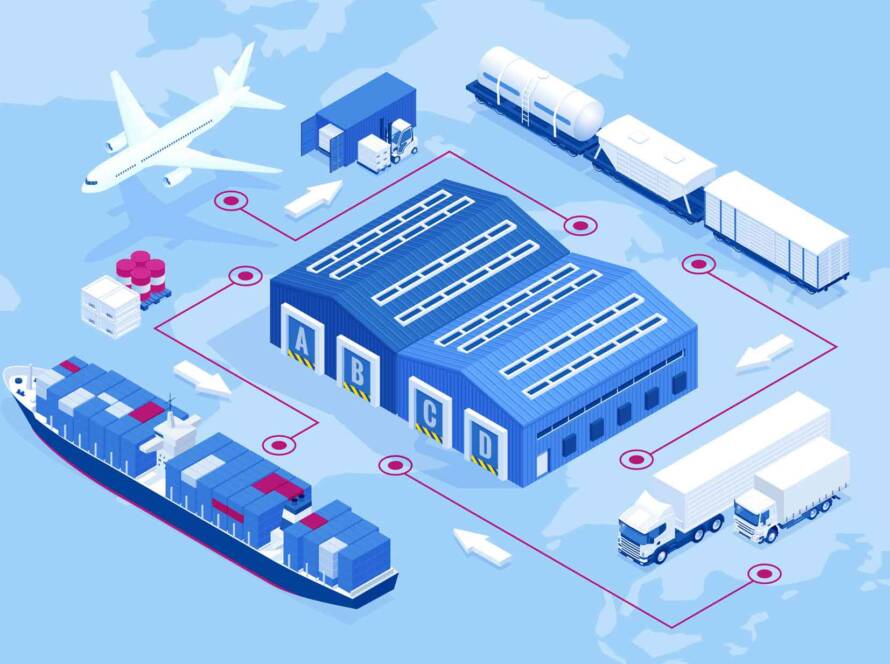
China continues to dominate global manufacturing and remains a crucial source for many Amazon FBA sellers. Despite an overall decline in market share from 61% in 2019 to 47% in recent reports, China still leads as the primary sourcing destination for US and EU buyers.
However, the post-pandemic world presents new uncertainties. Ongoing lockdowns can disrupt your supply chain, causing delays in production and shipping. With China’s borders largely closed, in-person factory visits, supplier meetings, and trade shows like the Canton Fair are off the table. Remote sourcing methods have become necessary, and this article will cover how to navigate these changes effectively.
Part 2: Where to Find Reliable Suppliers
Finding a good supplier is foundational to your eCommerce business. Traditionally, visiting factories and trade shows in China was an effective way to source products. Currently, your best options include:
- Alibaba.com: The most well-known platform, often likened to the “Yellow Pages” of Chinese sourcing. It offers a vast range of suppliers, though quality and reliability can vary.
- Global Sources: A Hong Kong-based platform that also runs trade shows. It has fewer suppliers than Alibaba but generally offers more vetted options, especially in electronics, fashion, and home appliances.
- 1688.com: A Chinese-language platform catering to the domestic market. While it might offer lower prices, it often poses challenges like language barriers and varying quality standards.
- US Customs Import Records: Public records of imports can help identify suppliers used by competitors, providing insight into reputable manufacturers.
Part 3: Five Steps to Finding a Trustworthy Supplier
- Adopt the Right Mindset: Sourcing is like dating; finding the right supplier involves patience and a thorough vetting process.
- Prepare a Request for Quotation (RFQ): Introduce your business, describe your product in detail, and ask specific questions to evaluate the supplier’s capabilities.
- Cast a Wide Net: Contact a large pool of potential suppliers and narrow them down based on their product fit and experience.
- Evaluate Responses: Use a spreadsheet to track responses and shortlist suppliers based on their attention to detail, responsiveness, and alignment with your quality standards.
- Order Product Samples: Never skip this step. Ordering samples allows you to assess the quality and suitability of the supplier before committing to a purchase order.
Conclusion
Despite the challenges, China remains a key player in global manufacturing. By adapting your sourcing strategy to the current landscape, leveraging online platforms, and following the steps outlined above, you can successfully source products from China and ensure your supply chain remains robust and reliable.