
Introduction
Hardware startups face immense financial barriers during initial product scaling phases constantly. Creating the necessary hardened steel molds requires massive upfront capital investment immediately. You must navigate this severe financial hurdle perfectly to ensure enterprise survival. Securing professional custom plastic injection molding China solves this critical scaling bottleneck flawlessly. Complex tooling frequently demands tens of thousands of dollars before production even begins. If you select an incompetent factory, your expensive steel mold fails instantly. You lose your entire tooling investment and destroy your consumer launch schedule.
Amateur procurement officers misunderstand the extreme physics governing molten polymer flow completely. They hire generic factories operating obsolete, poorly calibrated hydraulic molding machines. These substandard facilities utilize cheap, soft aluminum alloys for massive production molds. Soft molds warp rapidly under extreme hydraulic clamping pressure during routine operation. The plastic parts emerge covered in sharp flash and deep cosmetic sink marks. You receive a container filled entirely with unsellable, defective plastic components.
You must upgrade your manufacturing supply chain to an elite level today. You require a dedicated engineering partner that understands complex polymer thermodynamics perfectly. This technical guide deconstructs the exact physics of cutting hardened steel injection molds. We analyze precise thermodynamic controls and high-speed robotic part ejection methodologies. We reveal exactly how our advanced engineering oversight guarantees absolute production perfection.
Injection Mold Tooling and Steel Hardness
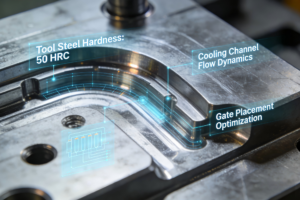
Flawless plastic parts require mathematically perfect steel molds continuously. The steel cavity dictates the exact geometric dimensions of the final polymer component. We engineer these heavy steel blocks to withstand unimaginable hydraulic clamping forces safely. We execute absolute sub-millimeter precision during the entire tooling phase.
Machining H13 Tool Steel
Production molds endure severe thermal shock and intense mechanical friction constantly. We mandate premium H13 tool steel exclusively for all high-volume production cavities. We utilize massive 5-axis CNC machines to mill the core geometry perfectly. We execute Electrical Discharge Machining (EDM) to burn intricate micro-textures into the steel. We then subject the machined steel blocks to rigorous vacuum heat treatments. This intense thermal baking maximizes the Rockwell hardness of the mold completely. You secure an indestructible steel asset for your long-term mass manufacturing services strategy.
Multi-Cavity Mold Engineering
High-volume retail products demand extremely rapid daily production yields continuously. A single-cavity mold produces only one plastic part per machine cycle. We engineer multi-cavity molds to produce four, eight, or sixteen parts simultaneously. We design complex internal runner systems to distribute the molten plastic evenly. We balance the fluid dynamics mathematically to ensure every cavity fills perfectly. This multi-cavity engineering drops your final unit cost drastically at high volumes. You maximize your e-commerce profit margins rapidly using this advanced geometric architecture.
Calculating Tooling Lifespans
Steel molds degrade microscopically over hundreds of thousands of high-pressure cycles. We classify mold lifespans using strict Society of Plastics Industry (SPI) standards. We engineer SPI Class 101 molds specifically for extreme, high-volume mass production. A Class 101 mold guarantees over one million flawless injection cycles effortlessly. We utilize specialized wear-resistant coatings on all moving slide mechanisms and ejector pins. We guarantee your proprietary injection mold design survives years of continuous global retail production perfectly.
Polymer Selection and Thermodynamic Control
Furthermore, complex structural products require specific chemical polymer properties constantly. Pure ABS provides excellent impact resistance for rigid consumer electronic housings. Consequently, we source premium raw polymer pellets directly from verified global chemical suppliers. Therefore, we eliminate cheap recycled regrind materials from the production chain completely. Moreover, this strict material control guarantees absolute structural integrity for your brand. Thus, we deliver pure mechanical reliability directly to your final consumers.
Sourcing ABS, Polycarbonate, and TPU
Furthermore, different products face completely different environmental stress factors continuously. Consequently, we engineer the specific polymer chemistry to match your exact application perfectly. Therefore, we select Polycarbonate (PC) for extreme heat resistance and optical clarity. We blend PC and ABS together to achieve maximum structural crash protection. Moreover, we inject Thermoplastic Polyurethane (TPU) to create soft, flexible rubberized grips. Thus, you secure the absolute best material science for your specific physical product.
Managing Melt Temperatures
Consequently, solid plastic pellets must transform into a flowing liquid rapidly. Therefore, the molding machine pushes the pellets through a superheated rotating screw. Furthermore, we control the barrel temperature zones precisely to prevent polymer degradation. If the temperature spikes too high, the plastic burns and turns brittle instantly. Moreover, we monitor the Melt Flow Index (MFI) mathematically to ensure smooth injection. Thus, we fill highly intricate, thin-walled mold cavities without freezing the material prematurely. We provide elite rapid tooling China services for complex designs.
Eliminating Sink Marks and Flash
Moreover, thick plastic sections shrink violently as they cool inside the mold. Consequently, this severe volumetric shrinkage creates ugly depressions called sink marks. Therefore, we hold extreme internal packing pressure mathematically until the plastic freezes solid. Furthermore, we apply hundreds of tons of hydraulic clamping force holding the mold shut. Thus, the high-pressure liquid plastic cannot escape through the microscopic steel seams. We eliminate sharp, dangerous plastic flash entirely. We operate as the premier plastic molding manufacturer Shenzhen for premium retail brands.
Comparison Matrix: Polymer Manufacturing Methods
Mechanical engineers evaluate unit costs, structural rigidity, and capital investment constantly. They analyze comparative fabrication data to optimize heavy industrial hardware systems. The following matrix contrasts core plastic manufacturing methodologies based on capital cost, speed, and geometric complexity:
| Manufacturing Method | Initial Capital Investment & Tooling Cost | Unit Cost at Scale & Production Speed | Structural Rigidity & Geometric Complexity |
| Plastic Injection Molding | High. Requires expensive CNC machining of hardened H13 tool steel. Tooling frequently exceeds ten thousand dollars. | Extremely Low. Cycle times drop to seconds. The absolute cheapest method for producing millions of identical parts. | Supreme. Creates incredibly complex 3D internal geometries. Produces highly durable, isotropic parts suitable for extreme stress. |
| FDM 3D Printing | Extremely Low. Requires absolutely zero steel tooling. You send the CAD file directly to the robotic printer instantly. | Astronomical. Printing a single complex part takes several hours. Financially unviable for producing more than a few hundred units. | Poor. Parts exhibit severe anisotropic weakness along the Z-axis print layers. They snap easily under transverse mechanical stress. |
| Vacuum Thermoforming | Low. Utilizes cheap aluminum or wooden bucks instead of hardened steel cavities. Excellent for large, simple panels. | Moderate. Requires manual trimming of the excess plastic sheet after forming. Slower cycle times than injection molding. | Moderate. Cannot produce complex internal ribs or structural mounting bosses. Creates relatively simple, thin-walled plastic shells. |
Managing Mass Production Cycle Times
Executing a flawless retail product launch requires extreme manufacturing velocity continuously. Slow cycle times increase your final unit cost drastically. The injection machine charges an hourly operational rate regardless of its output speed. We must manipulate the internal thermodynamic cooling sequence to maximize output safely. We engineer specific robotic ejection protocols to slash valuable seconds off every cycle.
Optimizing Cooling Channels
Liquid plastic enters the steel mold at hundreds of degrees Celsius. The machine cannot open the mold until the plastic freezes completely. Cooling accounts for roughly seventy percent of the total cycle time physically. We engineer complex internal conformal cooling channels directly inside the steel block. High-pressure chilled water races through these hidden channels continuously. This thermodynamic heat exchange extracts the thermal energy from the plastic instantly. We slash the cooling phase duration drastically without warping the final component.
Automated Robotic Ejection
The heavy steel mold opens violently once the plastic freezes solid. Standard factories rely on slow human operators to retrieve the hot plastic parts. Human operators cause inconsistent cycle times and introduce severe safety hazards constantly. We deploy high-speed, automated sprue-picking robot arms above every single injection machine. These pneumatic robots dive into the open mold and extract the parts instantly. This robotic precision guarantees mathematically consistent cycle times across the entire production run. We optimize your supply chain management flawlessly.
Maximizing Daily Output Yields
Automated robotic ejection allows the machines to operate continuously without human breaks. We run the injection molding facility twenty-four hours a day securely. This non-stop production schedule maximizes your daily output yields massively. We produce tens of thousands of flawless plastic components every single day. We consolidate these components immediately into your custom retail packaging on-site. We guarantee you hit your strict holiday launch deadlines perfectly. We execute flawless product sourcing operations for global enterprises.
Frequently Asked Questions (FAQ)
- Who legally owns the custom injection mold after I pay the tooling fee?
You retain absolute, exclusive legal ownership of the steel mold. You pay a one-time non-recurring engineering (NRE) tooling fee to cut the steel. We securely store and maintain this heavy die inside our factory. We sign strict contracts guaranteeing we will never use your proprietary mold for competing brands.
- What is a T1 sample and how long does it take to receive one?
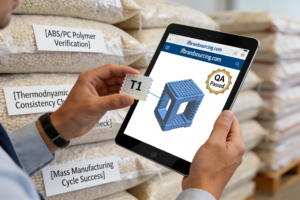
The T1 (Test 1) sample is the very first physical plastic part injected from your newly cut steel mold. Depending on the geometric complexity of the CAD design, cutting the steel and shooting the T1 sample typically requires 25 to 35 days. We express ship this sample to you for engineering approval.
- Can I modify the steel mold geometry after reviewing the T1 sample?
Yes, but with strict physical limitations. Because the mold is solid steel, we say ‘you can always add steel (make the plastic part smaller/thinner), but you cannot easily remove steel (make the plastic part thicker).’ We call removing steel ‘welding the mold’, which degrades the tooling lifespan significantly.
- What causes silver streaks (splay) on the surface of the plastic part?
Splay occurs when hygroscopic plastic pellets (like ABS or Nylon) absorb ambient atmospheric moisture. When the machine superheats these wet pellets, the moisture turns into expanding steam. This steam streaks across the surface of the hot plastic inside the mold. We prevent this by baking the raw pellets in massive desiccant hoppers prior to injection.
- Why do thick plastic parts require significantly longer cycle times?
Plastic is a natural thermal insulator. When you inject a thick volume of plastic, the outer skin freezes quickly against the cold steel mold, but the thick inner core remains molten hot. The machine must remain clamped shut much longer to allow the internal thermal energy to escape. Otherwise, the part warps violently upon ejection.
- Do you assemble the molded plastic parts with internal electronics?
Absolutely. We do not just shoot plastic and ship empty shells. We manage a dedicated final assembly facility. We source your required PCBs, batteries, and wiring harnesses. We utilize ultrasonic welding and automated screw-driving machines to assemble the final electronic product, executing strict QA testing before final retail packaging.
Conclusion
The mechanical reality within the global mass manufacturing market remains irrefutable constantly. Relying on fragmented supply chains operating substandard hydraulic presses destroys your critical production schedules instantly. You must source your structural polymer components from a highly verified OEM factory. We engineer perfect thermodynamic molds that guarantee absolute structural reliability. By migrating your procurement to our facility, you acquire flawless geometric stability. We master the complexities of B2B sourcing seamlessly.
Partner with an elite mass manufacturing agency today to eliminate severe cosmetic defects forever. We deliver precision polymer production directly from our advanced facilities in Shenzhen. Secure your bulk injection tooling with our expert mechanical engineers. Upgrade your product catalog utilizing premium, high-strength plastic structures. Contact the experts at IFBrand Sourcing and revolutionize your global supply chain now.