
A New Era of Product Sourcing
In the past, merchants traveled far and wide to find unique products, traversing routes like the Silk Road. Today, global connectivity allows businesses to source products from anywhere without leaving home.
What is Product Sourcing?
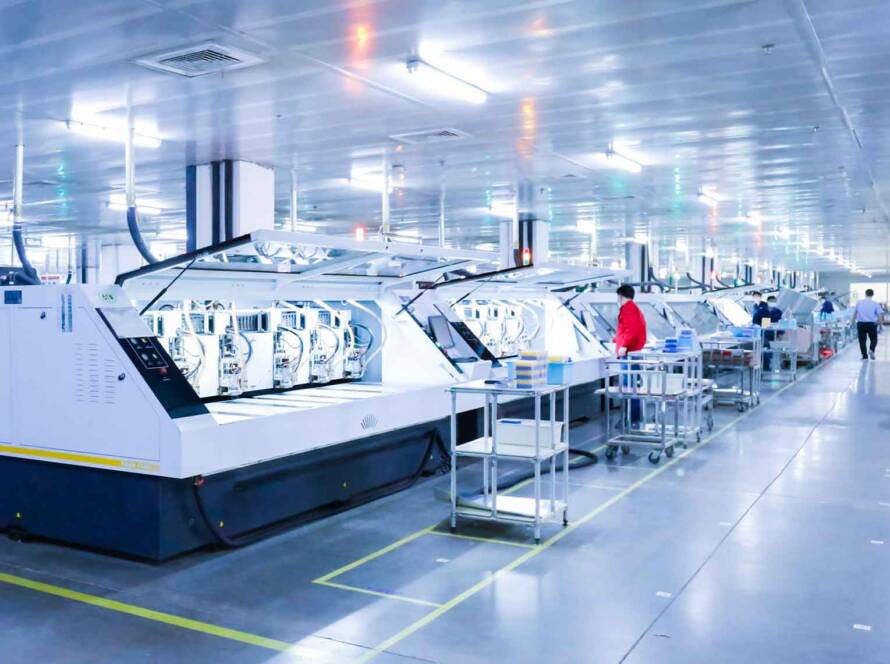
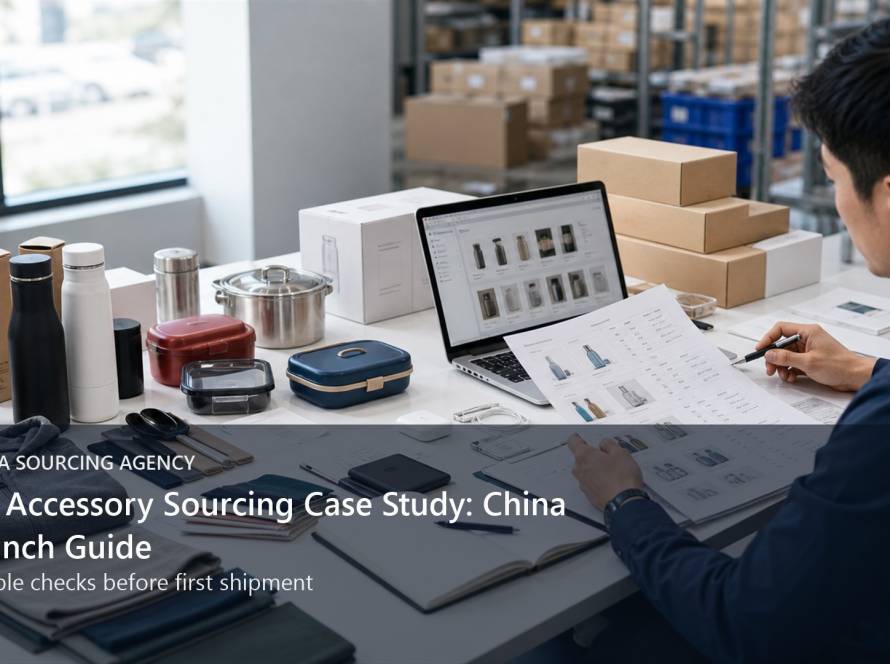
Product sourcing involves finding products to sell by exploring manufacturers, wholesalers, artisans, and other creators. It typically includes researching product ideas, analyzing vendors, comparing prices, and negotiating supply deals.
Types of Product Sourcing
Product sourcing options include DIY products, manufacturers, dropshipping, marketplaces, and trade shows. Each method offers unique benefits and considerations for your business.
DIY Products
DIY products provide unique, handmade items, complete control over quality, and the ability to quickly pivot. However, they may have higher costs and require constant raw material sourcing.
Manufacturers or Wholesalers
Working with manufacturers or wholesalers offers production assistance and inventory scaling but may involve higher startup costs and inventory risks.
Dropshipping
Dropshipping allows you to list inventory without holding stock, making it a low-cost way to start an online store. However, it often results in lower profit margins and limited control over product quality.
Marketplaces
Sourcing from marketplaces offers easy access to diverse products but may involve higher prices and unpredictable stock availability.
Trade Shows
Trade shows connect you with various suppliers, providing opportunities to see and feel products in person, but may have higher costs and a complex negotiation process.
Conclusion
Today, product sourcing is more accessible than ever, offering various methods to suit different business needs. Whether you choose DIY, manufacturers, dropshipping, marketplaces, or trade shows, a structured approach will help you find the best products for your store.